 +92 51 9224744

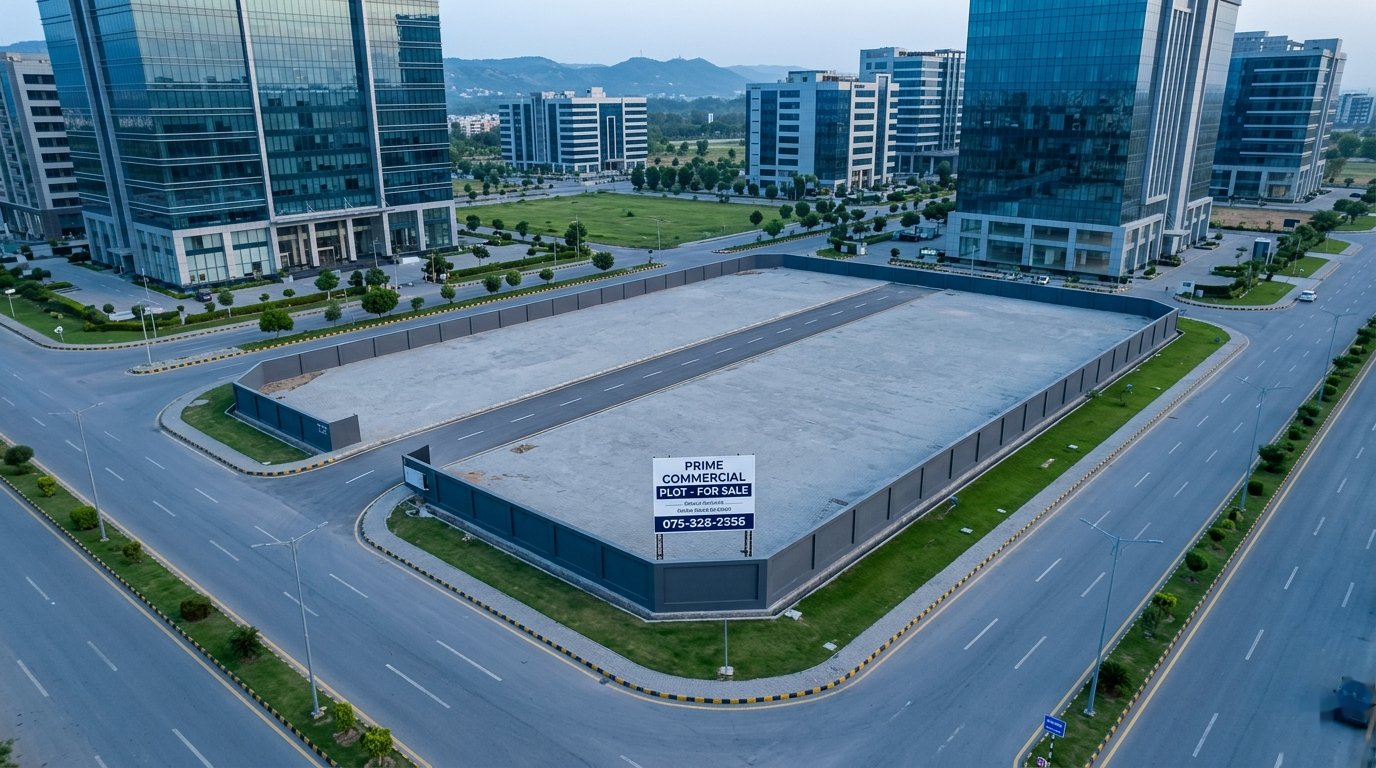
Buying commercial property Pakistan gets talked about like a guaranteed win. Whether you’re looking at a shop, office, or plaza — the pitch is usually the same: buy in a good location, find a tenant, collect rent, repeat.
But commercial transactions go wrong more often than residential ones, and when they do, the amounts involved are usually larger and the legal untangling takes longer. Most of the disasters I’ve seen trace back to the same five things being skipped or assumed rather than actually checked.
1. Zoning and Land Use Approval
This one surprises people. Just because a building is being used commercially doesn’t really mean it’s legally approved for commercial use. CDA in Islamabad and RDA in Rawalpindi both designate land use, and operating outside the approved category creates legal exposure — for you as the owner, not just the previous one.
Ask for the approved building plan and the zoning category upfront. If the seller takes more than a day or two to produce these, pay attention to that, It might be critical.
2. The Completion Certificate
A completion certificate means the building was constructed according to its approved plan and signed off by the relevant authority. Without it, the property is technically unauthorised — which affects utility connections, future sale, and financing.
A lot of commercial buildings in Pakistan don’t have one. Some have been operating fine for years regardless. But if you’re putting serious money in, you want this document. Don’t accept “it’s being processed” as an answer.
3. Title Verification
The most important check when buying commercial property Pakistan — and also the one most often rushed when buyers get excited about a deal.
Title verification means confirming the seller actually owns the property outright — no existing mortgage, no court dispute, no co-owners who haven’t signed off. Get the Fard from the land record authority. If it’s in a housing scheme, check the allotment letter, transfer deed, and NOCs. A property with a disputed title can sit frozen for years while lawyers argue.
There’s no shortcut here. It either checks out or it doesn’t.
4. Existing Tenancy Agreements
Buying a property with a tenant in place sounds ideal — you’re buying income, not just a building. But read the tenancy agreement before you agree to anything.
Check the rent, the lease term, the notice period, and renewal clauses. Tenant protections in Pakistan mean you can’t always remove an established commercial tenant just because you’ve bought the property. A deal advertised at a 10% yield can turn into a very different situation if the tenancy terms lock you into below-market rent for another three years.
5. Utility Connections and Maintenance Dues
Confirm that electricity, gas, and water are formally connected and documented in the seller’s name — not just switched on. Unofficial connections cause problems at transfer.
For properties in multi-unit buildings or commercial plazas, ask about shared maintenance charges and whether there are any outstanding dues. In some buildings, unpaid charges follow the property to the new owner. It’s worth knowing before you sign anything.
Guide to Buying Commercial Property Pakistan
The Short Version
These five checks won’t make a bad deal good, but skipping any of them can make a good deal bad. Buying commercial property Pakistan — in Islamabad and Rawalpindi especially — has genuine upside right now. The buyers who get burned are usually the ones who moved too fast on paperwork they didn’t fully read.
If you’re looking at a commercial property and want someone to go through the documentation with you before you commit, get in touch with our team. We’ve been doing this since 2017 and we’ve seen enough transactions to know where the problems usually show up.