+92 51 9224744

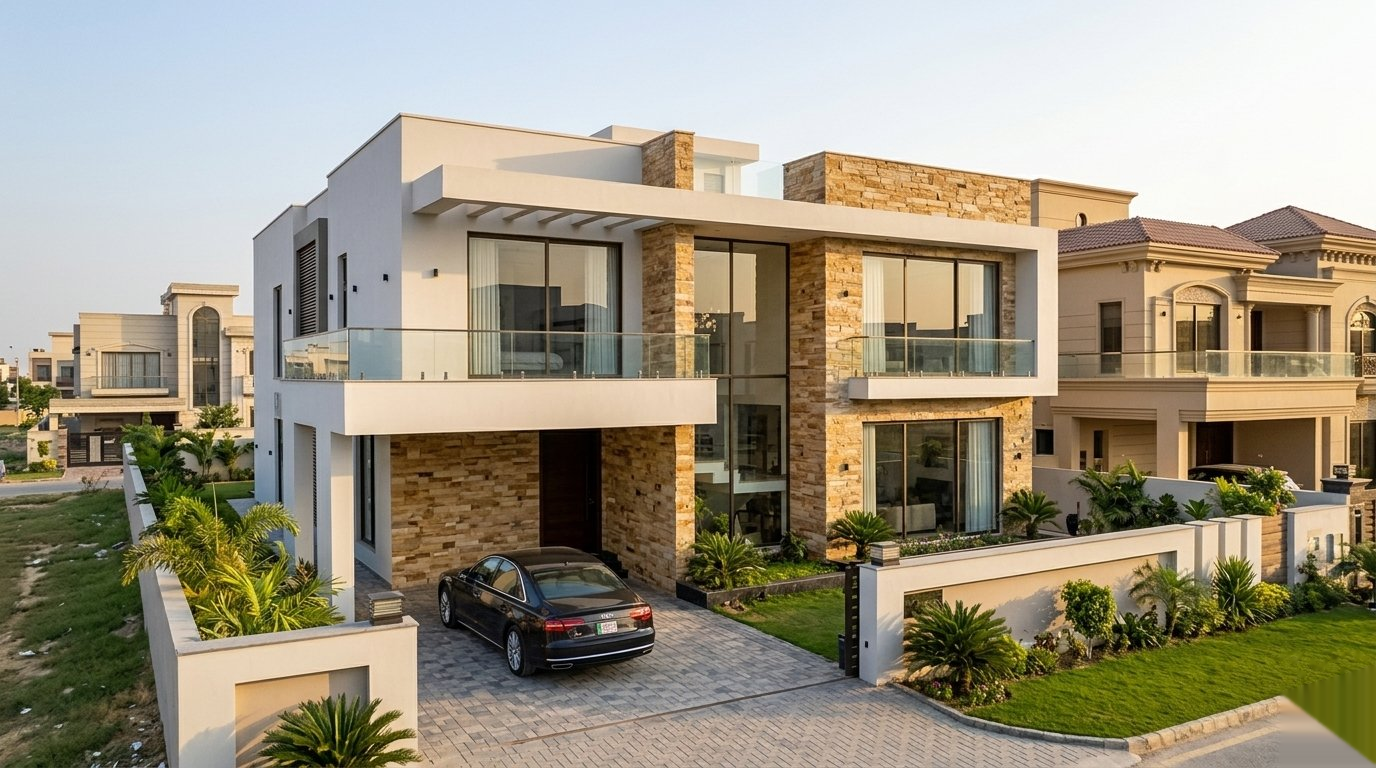
Real estate investment Pakistan 2026 still holds its ground better than almost anything else you could put money into — stocks, gold, savings accounts.
That’s not a marketing line. Talk to anyone who bought a plot in Islamabad’s G or I sectors fifteen years ago and ask them what it’s worth today. The numbers are hard to argue with.
Why Property Keeps Its Value
Part of it is simple supply and demand. Pakistan’s urban population is growing fast — Islamabad and Rawalpindi together have added hundreds of thousands of residents over the past decade. New housing supply takes years to catch up, and it rarely does fully. That gap between demand and supply is what keeps property values from collapsing even during economic downturns.
There’s also the remittance factor. Overseas Pakistanis sent over $27 billion home in FY2024, and a large portion of that goes into property. Families abroad want something tangible back home — land, a house, a shop. That steady stream of foreign currency into the real estate market provides a floor that most other asset classes don’t have.
Real Estate Investment Pakistan 2026: What the Market Looks Like
Real estate investment Pakistan 2026 is being shaped by a few specific things. Interest rates have started to ease after the State Bank’s monetary tightening cycle, which is bringing buyers back to the market after a quieter 2024 and early 2025. New housing schemes in and around Islamabad are in various stages of development, and early investors in those schemes are already seeing appreciation.
The Rawalpindi Ring Road has opened up areas that were previously too far from the city to be practical investments. That kind of infrastructure development historically does one thing to surrounding land values — it pushes them up.
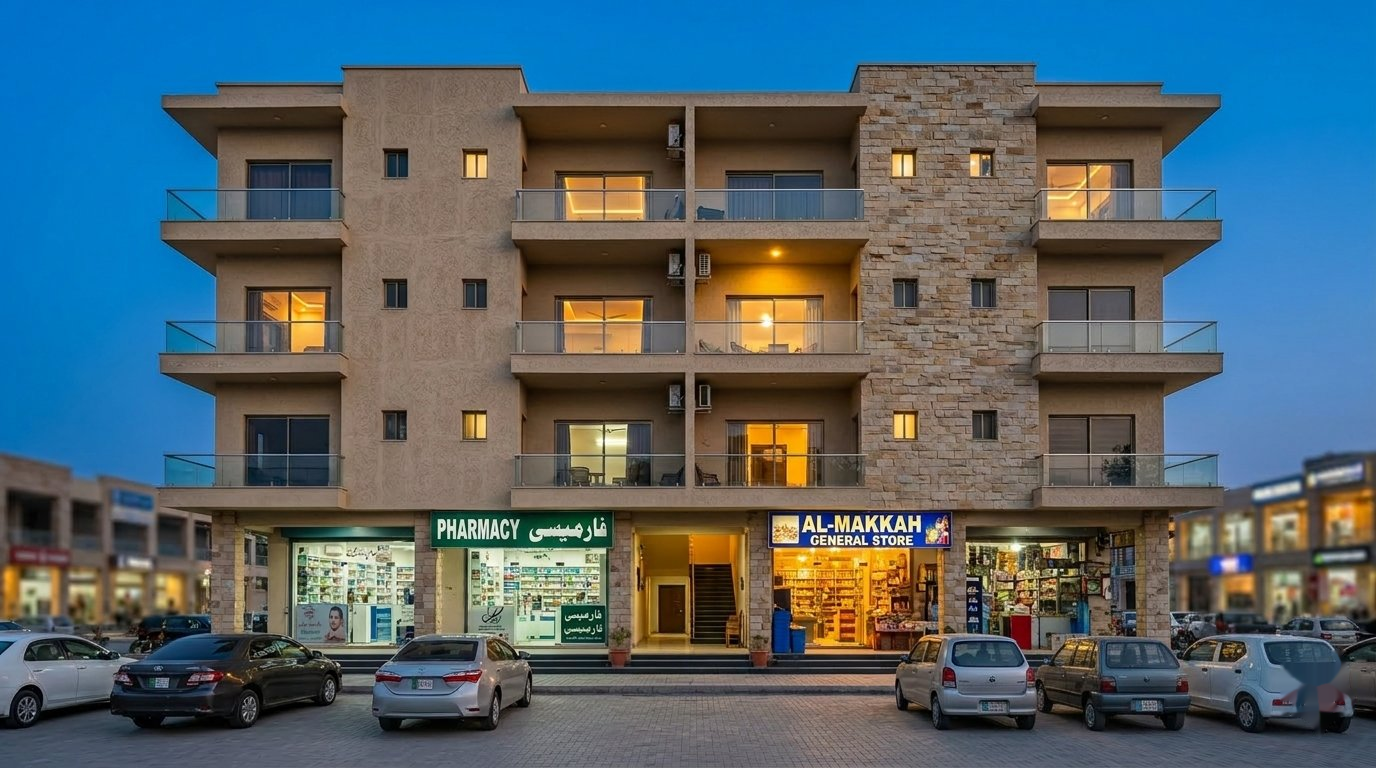
Commercial property in twin cities is also getting attention again. After a period of oversupply in certain sectors, rental yields in prime locations have stabilised and begun recovering.
What People Get Wrong About Property Investment
The biggest mistake most buyers make is treating all real estate investment Pakistan 2026 opportunities as the same. A plot in a DHA sector is a very different investment from a file in an unapproved housing scheme. The returns can look similar on paper, but the risks are completely different.
Documentation matters enormously. Title verification, NOC status, fard — skipping these steps has cost buyers dearly. The legal framework for property in Pakistan is functional, but it rewards people who do their homework and punishes those who don’t.
Location still matters more than almost anything else. The distance from main roads, proximity to commercial activity, planned infrastructure nearby — these factors separate investments that double in five years from ones that sit flat.
The Case for Islamabad and Rawalpindi
Of all the markets in Pakistan, the twin cities remain among the most stable for both residential and commercial investment. The presence of government, universities, hospitals, and a growing private sector creates sustained demand that cities dependent on a single industry don’t have.
Margalla Hills-facing properties in sectors like E-7, F-6, and F-7 have held value through every downturn. I-8 and G-9 continue to attract end-users who want to actually live there, not just flip. And newer sectors like B-17 and D-12 are maturing from raw development into established communities with real rental demand.
If you’re thinking about where to put money in 2026, the twin cities offer a combination of liquidity, documentation quality, and demand depth that’s hard to match elsewhere in the country.
Sapphire Lands has been working in the Islamabad and Rawalpindi property market since 2017. If you want a straight conversation about where to invest and what to avoid, get in touch with our team.